

You’re on holiday – but what is your lecturer up to?
As students shut their books at the end of June and relax in the summer sun, researchers remain at their desks. Summer is not only holiday time, but it is also a time to work on all the things that have been put on hold during the semester – and this includes everything from researching football clubs and Neanderthals to proton projects at the world's largest physics laboratory.

Few things compare to the feeling of finishing the semester’s exams and then plunging headfirst into the summer holidays. For most students at AU, the summer holidays are also quite long – around two months. Whether it is spent on a budget interrail trip, at festivals, or at work, for most people it is certainly not spent with their noses buried in books, except, of course, for those attending summer school. Don’t worry, we won't forget you.
But what happens at the university when the students check out for the summer? The researchers also go on holiday, but not for two months like the students. Omnibus has spoken to five researchers at AU about what they do when there is peace and quiet on campus.
The storytelling of football clubs
What do coal mines and a football club have in common? Quite a lot, if you ask Martin Nielsen, associate professor of German business communication.
"Specifically, I am researching the German football club, Schalke 04, and how they construct themselves as a locally rooted football club with roots in the mining industry," he says.
The football club is based in Germany’s Ruhr district, an old coal mining district that, during the period of industrialisation, depended almost exclusively on coal mining and the related metals industry, he explains.
“Schalke 04 cultivates a narrative of itself as a working-class club, inextricably linked to the mining industry and the working class. It is an object of identification for the public. Gelsenkirchen, which is the city where Schalke 04 plays, is the poorest city in Germany and the city with the highest unemployment rate in Germany, so it means a lot for them to have the club. That's what I'm writing about right now," he says.
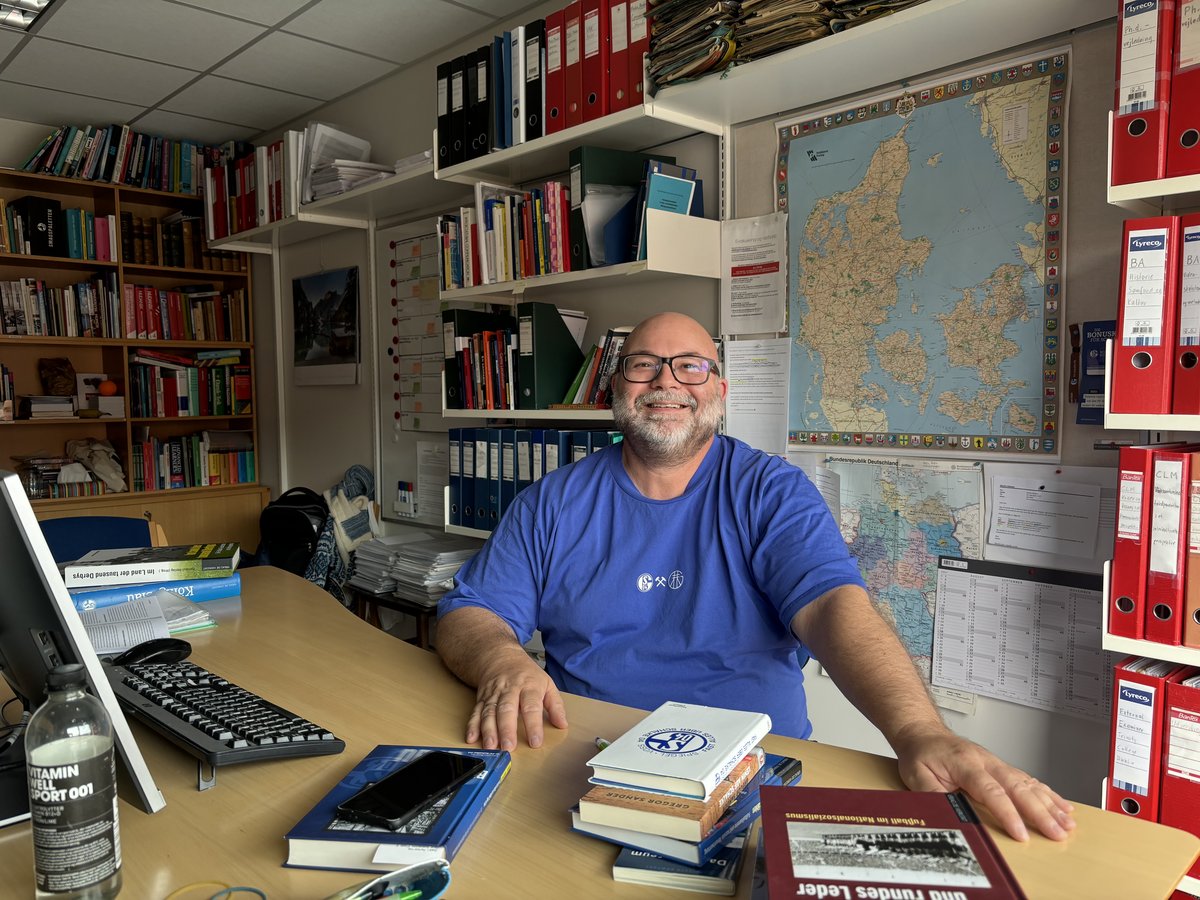
When students leave for the summer, a different kind of peace and quiet takes hold on campus, which Martin Nielsen enjoys immensely.
"I generally both like to teach and to do research. But that undisturbed time where you can really geek out, where you can concentrate on your research without any distractions. I think that's nothing short of fantastic," he says.
There is also a fair amount of administrative work to follow up on, as well as preparation for teaching in the coming semester. Martin Nielsen has installed a small visual break in his office. A miniature beach installation that has taken over one of the shelves in the otherwise binder-filled bookcase.
"If it all gets too sour, I daydream about being on a Caribbean beach," he says.
However, Martin Nielsen does not have to content himself with merely dreaming about the summer holidays, as he will, of course, be taking some time off himself.
"So far, I have some house projects planned, fixing odd work around the house. But also recover mentally. My head needs rest and to get away from this completely," he says, pointing to his computer.
Something about CERN
On the border between Switzerland and France, Deputy Head of Department and Professor of Physics, Hans Otto Uldall Fynbo, is located. He is at the world's largest physics laboratory, CERN, which stands for Conseil Européen pour la Recherche Nucléaire, in English: European Organisation for Nuclear Research.
"We are in the process of setting up for a test of a detector. Some 400 GeV protons come in and hit this detector," he says.
Even though Hans Otto Uldall Fynbo is far away from AU's campus, he does not really notice that the students are off on summer holiday.
"Well, there are still PhD students and students who have projects. These I also work on, even if there aren’t any classes, so I don't think too much about the fact that there is a summer holiday for the students," he says.
"Life is always busy in one way or another. When there is no teaching, it is a little less busy. Then you might be able to finish an article that you have tried to finish during the semester," he says.
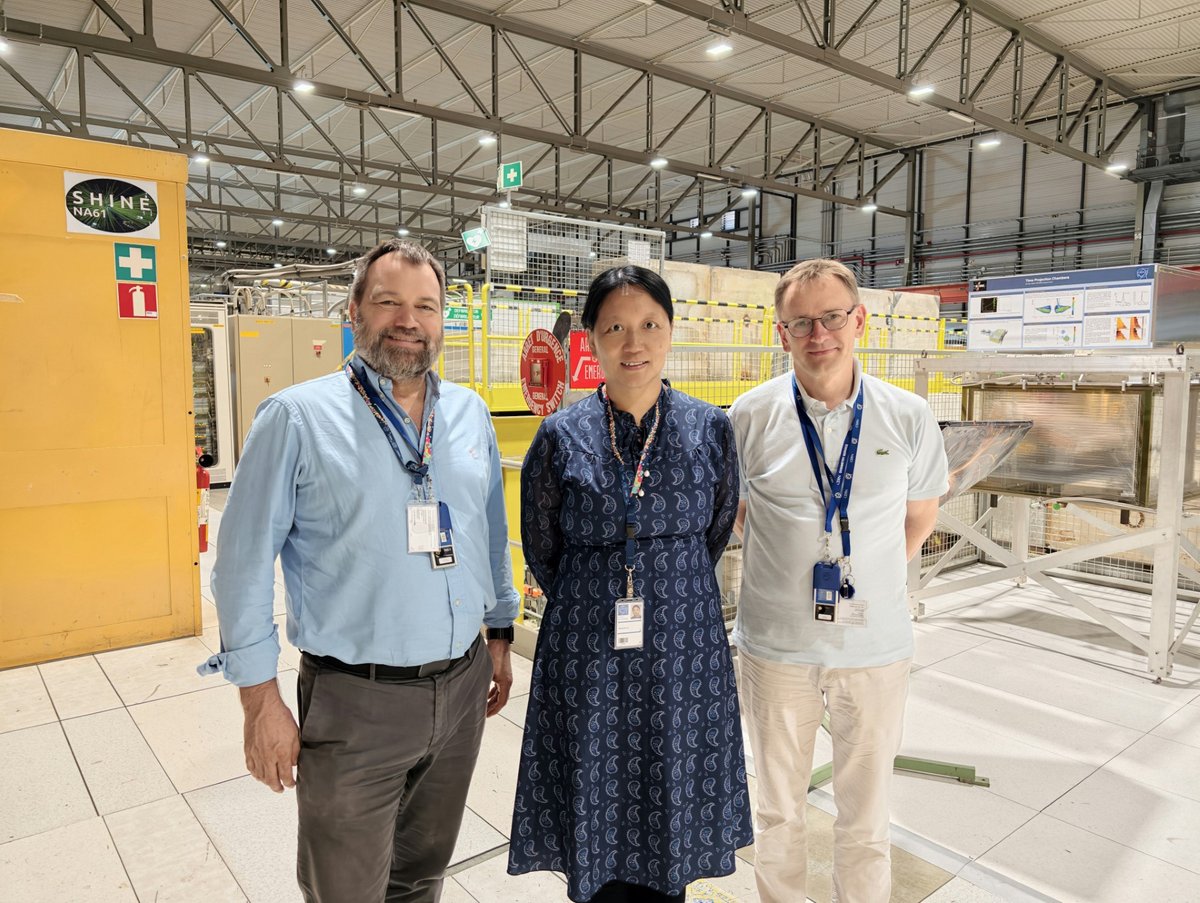
The summer holidays have not yet begun for Hans Otto Uldall Fynbo, even though he has crossed the Danish border to travel to CERN and work on his project. But he, too, takes a holiday, like so many other university employees.
"During the holidays, I try to refuel. This year I'm going north to Finland. We always go north because we like to walk in the open landscapes," he says.
And that holiday will be free from work. The physics professor is determined to make sure of that, he assures Omnibus.
Peace at an otherwise vibrant institute
Irene Dige, director of studies, lecturer, and researcher, sits at the Department of Dentistry and Oral Health. And there is plenty to do, even if the students have clocked out for the semester.
"May and June have been busy months with the end of the semester's courses. We have a lot of exams in June, so we are only just finishing grading the last exam papers, and then we start preparing for the reexaminations in August,” she says.
Normally, the institute is very vibrant, says Irene Dige. This is because a significant part of the teaching is clinical and hands-on, and because the School of Dentistry has many patients coming in every day.
"The clinical lecturers and staff are not here during the summer holidays, so the house is really quiet, and it's actually really nice. It makes it possible to work without any interruptions. It's quite the luxury," says Irene Dige.
"I am currently planning several courses in detail, and we are also already planning the timetable for the spring semester. As I'm the director of studies, I also have some loose ends I need to follow up on," she says.
"The cool thing about my job is that it is so varied during the semester. I like the fact that there is a lot of life and activity in the building, but I also enjoy having a bit more peace and quiet to really focus and immerse myself in my work. To be perfectly honest, I sometimes miss that during the semester," she says.
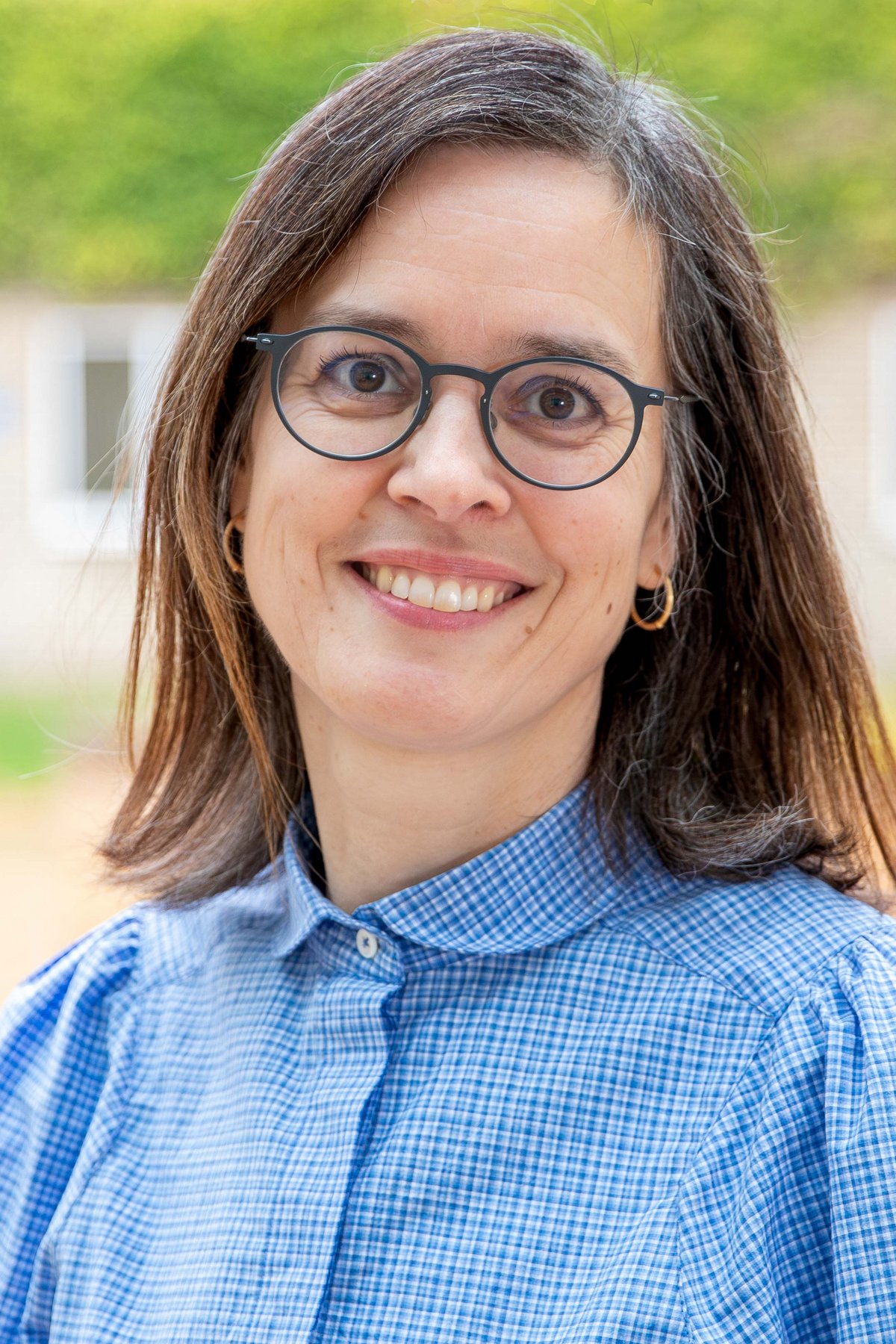
As for her summer holiday plans, Irene Dige is looking forward to some cosy days at a summer house when she goes on holiday in the near future.
"I’ll simply be enjoying nature and reading fiction – I don't get to do that much on a daily basis. And then I want to finish some knitting projects, and I’ll have friends and family visiting," she says.
"I have an agreement with myself that I will not check emails during my holiday. I try quite hard not to work during the holidays. Since I'm the director of studies, there are some colleagues who can get in touch with me if there's something urgent. But it is important to take some time off and recharge before returning to work after the holidays. I try, but it can be difficult," she says.
The mystery of the Neanderthal
Søren Munch Kristiansen teaches and works with water, soil and people, as he puts it, at the Department of Geoscience.
“Now that teaching has finished and we’ve made it through all 1.000 clicks in WISEflow, I’m helping some international students carry out experiments in our laboratory,” says Søren Munch Kristiansen.
In addition, he is in the process of what he describes as "finding the needle in the haystack", – namely investigating where Neanderthals have stayed in Denmark.
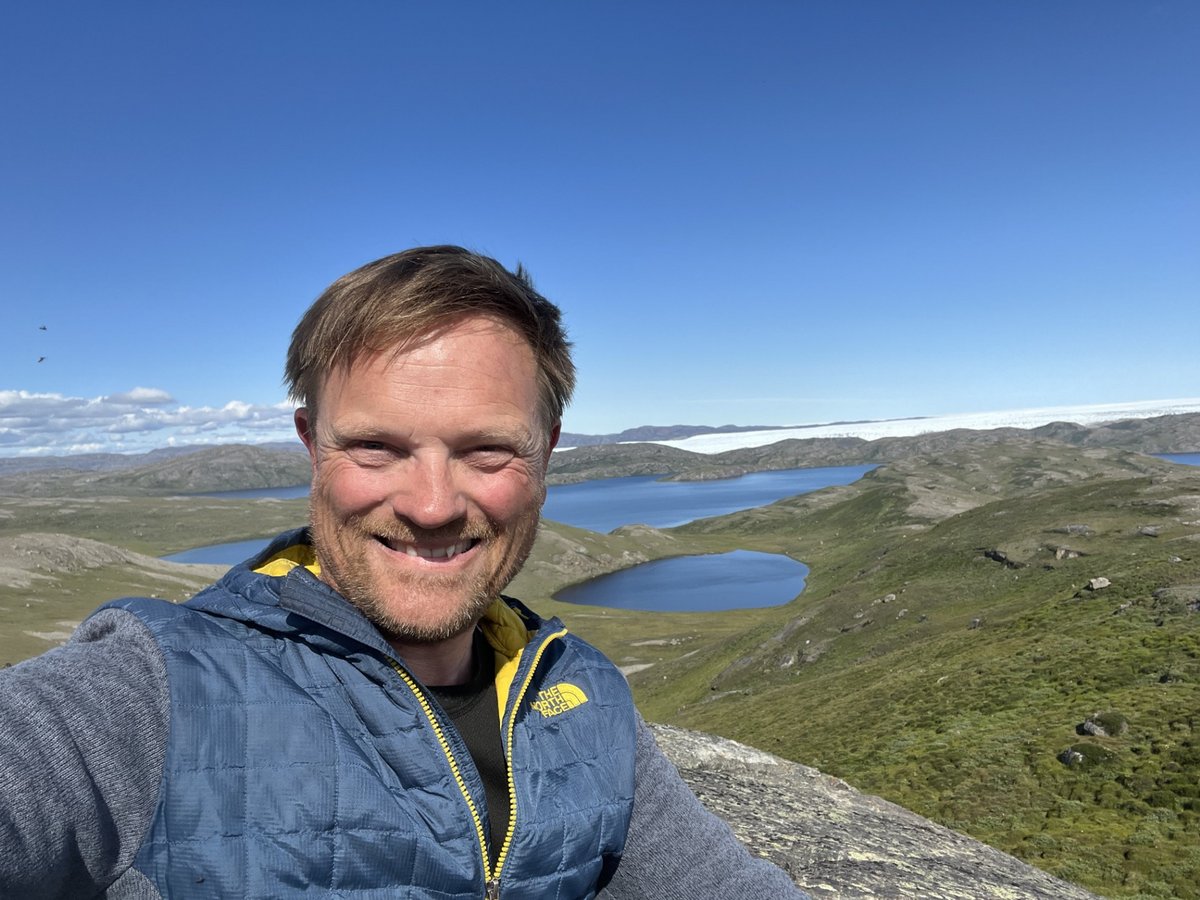
"We haven’t found them in the last hundreds of years. They have been just south of the Danish-German border, so it would be strange if they have not been up here," says Søren Munch Kristiansen.
"It's just like looking for a needle in a haystack. The needle is the trace of the Neanderthals, but the haystack is also a challenge here, because we don’t actually know where to look yet," says Søren Munch Kristiansen
"In collaboration with PhD students and archaeologists, I have just written an article about an elephant bone from the last interglacial period, which was found 100 years ago at Kolding. Unfortunately, there were no clear traces of stone tools on it. We were looking for tool marks, but no needle here," he says.
"So I'm in the process of mapping exactly which other haystacks we can search to find the Neanderthals' remains. That’s what I’m keeping myself busy with at the moment, while preparing students to go out and search elsewhere," he says.
And when Søren Munch Kristiansen heads off to a summer house later in the summer, the work computer will be firmly switched off.
"I don't want to work during the holiday. It's important that you get some rest," he says.
Stress reduction on prescription
Associate professor and centre director at the Danish Centre for Mindfulness, Lone Fjorback, also spends the summer finishing up things.
"I'm working on a big project on stress reduction. “The idea is that patients who go to the doctor with symptoms of stress can receive mindfulness-based treatment,” she says
During her summer holiday, she plans to be in the garden and go to a jazz festival, but work will still sneak in.
"I'm also going to spend the summer writing a book about stress," she says.
“Work and holiday can sometimes blur into one another, but I also spend a great deal of time doing nothing at all,” says Lone Fjorback.
So no, your lecturers do not take time off from June to August. On the contrary, they immerse themselves in projects when the students are not there to disturb. You might even score a few extra points by showing an interest in their summer projects when the semester resumes at the end of August.
This text is machine translated and post-edited by Mie Skov Jeppesen.