

Better to ask once too often than not at all
Emilie Muusmann Rindom lost her twin sister to cancer. Mads Rahbæk has had leukaemia. The two students share what helped them when cancer became a part of their lives. Ask questions, align expectations within the study group – and don't underestimate the little things, the two students advise.

According to the Danish Cancer Society, one in three Danes under the age of 75 will be diagnosed with cancer, and even more will find themselves supporting a loved one with the disease. Thus, cancer is something most of us will come into contact with at some point in our lives, including during our time at university. But how should you respond when illness, grief and crisis affect a fellow student?
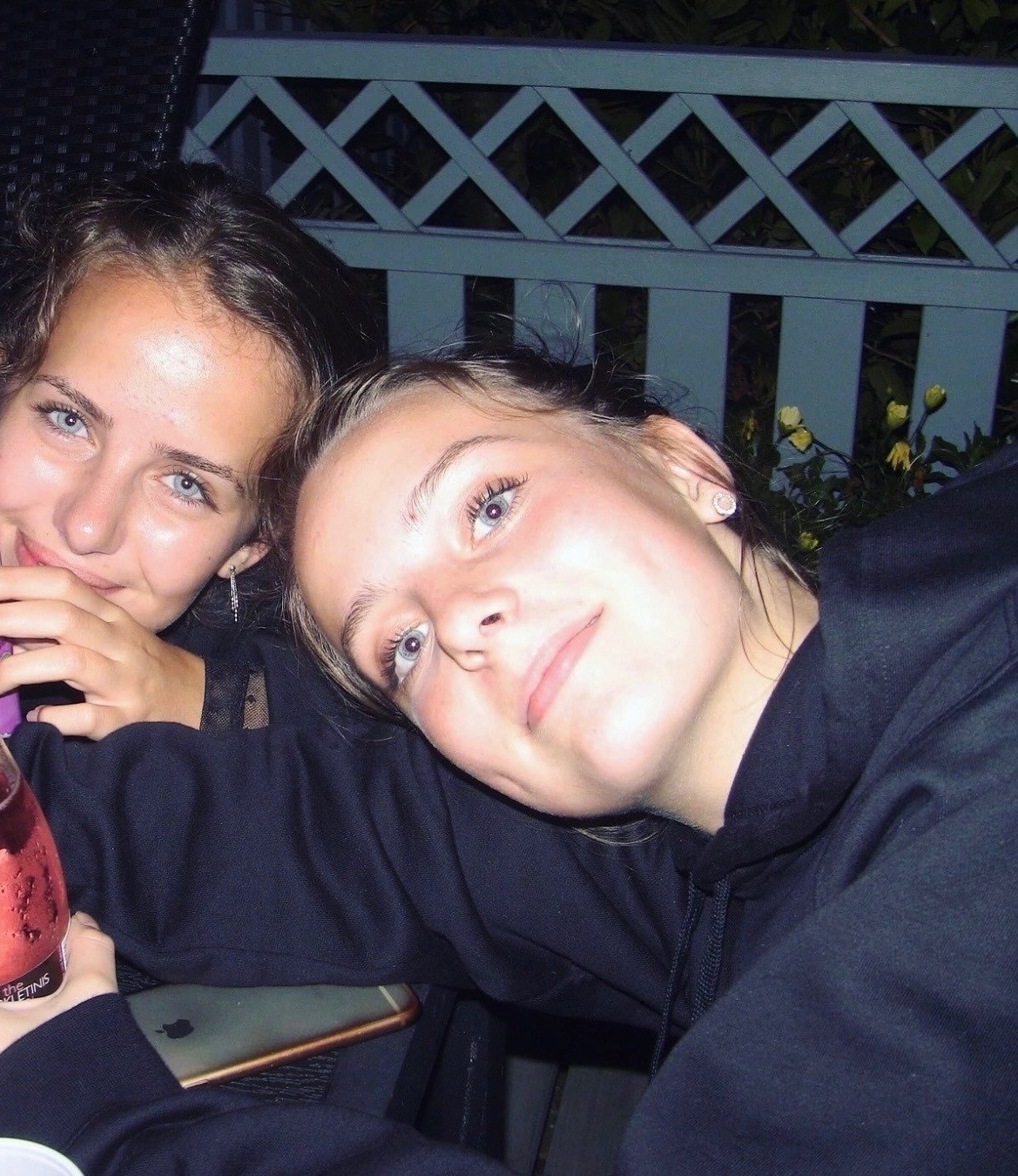
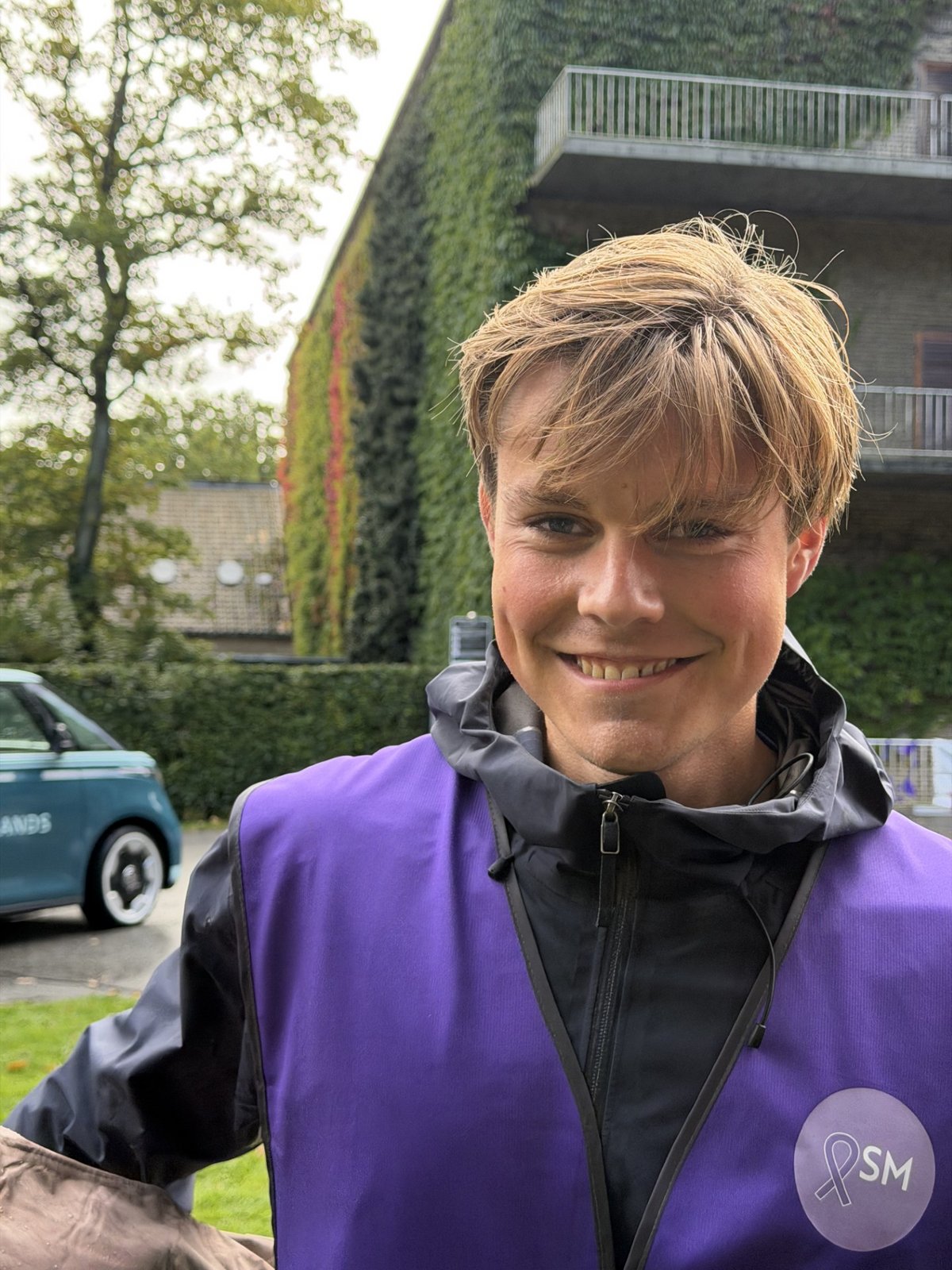
Emilie Muusmann Rindom and Mads Rahbæk know what helped them. Emilie Muusmann Rindom, a medical student at Aarhus University, lost her twin sister to cancer at the age of 15 following a short but intense illness. Mads Rahbæk was 12 years old when he was diagnosed with leukaemia, and he remembers how much it meant that his friends kept coming over and playing FIFA like they used to.
The two students cannot speak for everyone, but their experiences may help others reach out to a fellow student whose life has been affected by serious illness.
Hard to talk about – do it anyway
It can be difficult to know what to say when someone is ill or has lost a loved one. Emilie Muusmann Rindom has been on the other side of that situation herself. When she lost her twin sister, she experienced firsthand how difficult it could be to reach out, even when the need to talk was there.
“Everyone finds it difficult to talk about grief and death because it is a very vulnerable and taboo subject. The most important thing you can do is ask questions. People who are grieving are already as sad as they can be. Your fear of saying the wrong thing only makes matters worse,” she explains.
For Emilie Muusmann Rindom, it is also important to have the courage to mention those who have passed away.
“Just as everyone else wants to talk about their families, those who are grieving also need to talk about those they have lost. This is how we keep their memory alive," she says.
Mads Rahbæk agrees that it is better to ask once too often than not at all.
“Don’t be afraid to ask,” he says, adding that he has never heard of anyone being offended by being asked.
“Those grieving can always say no, but if you don’t ask, they’ll never get the choice.”
Don't underestimate the little things
The next step is to take the initiative, and that is especially important when someone is ill. Mads Rahbæk explains that people who are ill often do not have the energy to ask for help. Some are also reluctant to place that burden on others:
“It's my problem, I have to deal with it.”
That's why others must reach out first.
“It's easier to say yes to someone offering something than to ask for it yourself,” he says.
The help does not have to be anything major. Mads Rahbæk suggests offering practical support, whether that is making dinner, helping with day-to-day tasks, accompanying someone to treatment if they would like company, or sharing lecture notes.
“Don’t underestimate the importance of small, practical gestures,” he says.
But there is a balance.
“It’s also important to keep things as normal as possible,” emphasises Mads Rahbæk.
Don’t be afraid to say the wrong thing, but don’t let the disease take over everything either. People differ in how much they want to talk about it, so it can be helpful to talk about expectations openly, for instance, in a study group: What do you need, and what would you rather not talk about?
What most people forget
Emilie points out that what most people tend to forget or misunderstand is that grief does not have an expiry date.
“Although grief becomes more manageable and less intense over time, it is something you carry with you for the rest of your life. The need to talk about it never goes away,” explains Emilie Muusmann Rindom.
She therefore advises fellow students to remember to reach out on significant dates, such as Christmas, anniversaries, birthdays, and during Cancer Awareness Week (In Danish, ed.).
“It can be as simple as a message saying, ‘Hey, I’m thinking of you today,’” says Emilie Muusmann Rindom. She explains that, as a fellow student, you should know that you can never take away another person’s pain, but it helps to know that someone is thinking of you.
The situation is different for Mads Rahbæk, but the pattern remains the same. The illness doesn’t simply stop when you’re declared cancer-free.
“Illness is one thing, but there is also the aftermath, and that can have lifelong effects,” he says.
There may be delayed complications that are not always visible. As a fellow student, it is therefore worth bearing in mind that there may be physical reasons why a friend or classmate is not able to do what they used to.
Bereavement policy
Emilie Muusmann Rindom explains that fellow students can do a great deal to help, but that it is particularly important for institutions to have a structured plan in place. When students return to everyday life after losing a loved one, schools and higher education institutions must have formal procedures in place to support pupils and students who are grieving.
“All schools should have a bereavement policy. What do we do and how do we help the student so that he or she is not left to fend for themselves in an already difficult situation," says Emilie Muusmann Rindom.
Ask – and ask again
Emilie Muusmann Rindom’s twin sister existed, and although she has died, she is still here in a way. She hopes other students will take away this message: that it is okay to talk about the people we have lost, and that doing so is rarely as difficult or upsetting as people fear.
Neither Emilie Muusmann Rindom nor Mads Rahbæk can speak for everyone who has been affected by cancer or another serious illness. But they agree on what is important: Ask – and ask again.
The two students both volunteer at Livskraft (In Danish, ed.), where they help children and young people whose lives are affected by cancer. What they have learned, they carry with them in their everyday lives as students. Mads Rahbæk also helps organise the Knæk Cancer Run at AU, which took place in September this year.
This text is machine translated and post-edited by Mie Skov Jeppesen.