

Meet the lead candidates for the AU board
Who will you choose as your representative on the university board? Omnibus has asked the lead candidates from the Student Council, Free Forum Aarhus, and Conservative Students to introduce themselves, so you can get a better idea of what they stand for.

Who will you vote for in the university elections? What do the candidates stand for? That can be difficult to tell from a poster you happen to pass on a cold Tuesday between lectures. To help you make an informed choice when casting your vote in the university elections, Omnibus has asked the lead candidates from the Student Council, Free Forum Aarhus and Conservative Students to introduce themselves. The elections open at 9.00 am on Monday 9 November and run until 4.00 pm on Thursday 12 November.
If you're unsure what the university elections are all about, or what the Aarhus University board actually decides, you can read Omnibus' guide to the elections here:
University elections 2026: A quick guide before you cast your vote
The Student Council
University elections 2026
Who can vote?
- Students can elect representatives to boards of studies, the academic councils, and the university board
- PhD students can elect representatives to PhD committees
- Academic staff can elect representatives to boards of studies and PhD committees
When?
Voting in the university elections will take place from 9.00 am on Monday 9 November to 4.00 pm on Thursday 12 November.
The results of the university elections will be announced on 16 November.
How do I vote?
The university election will take place online:
- Please cast your vote at: www.au.dk/election.
- Log on to the election system with your AU ID and WAYF password.
- Cast your electronic vote.
Read more
Here, you can see the list of all the candidates for the 2026 university elections
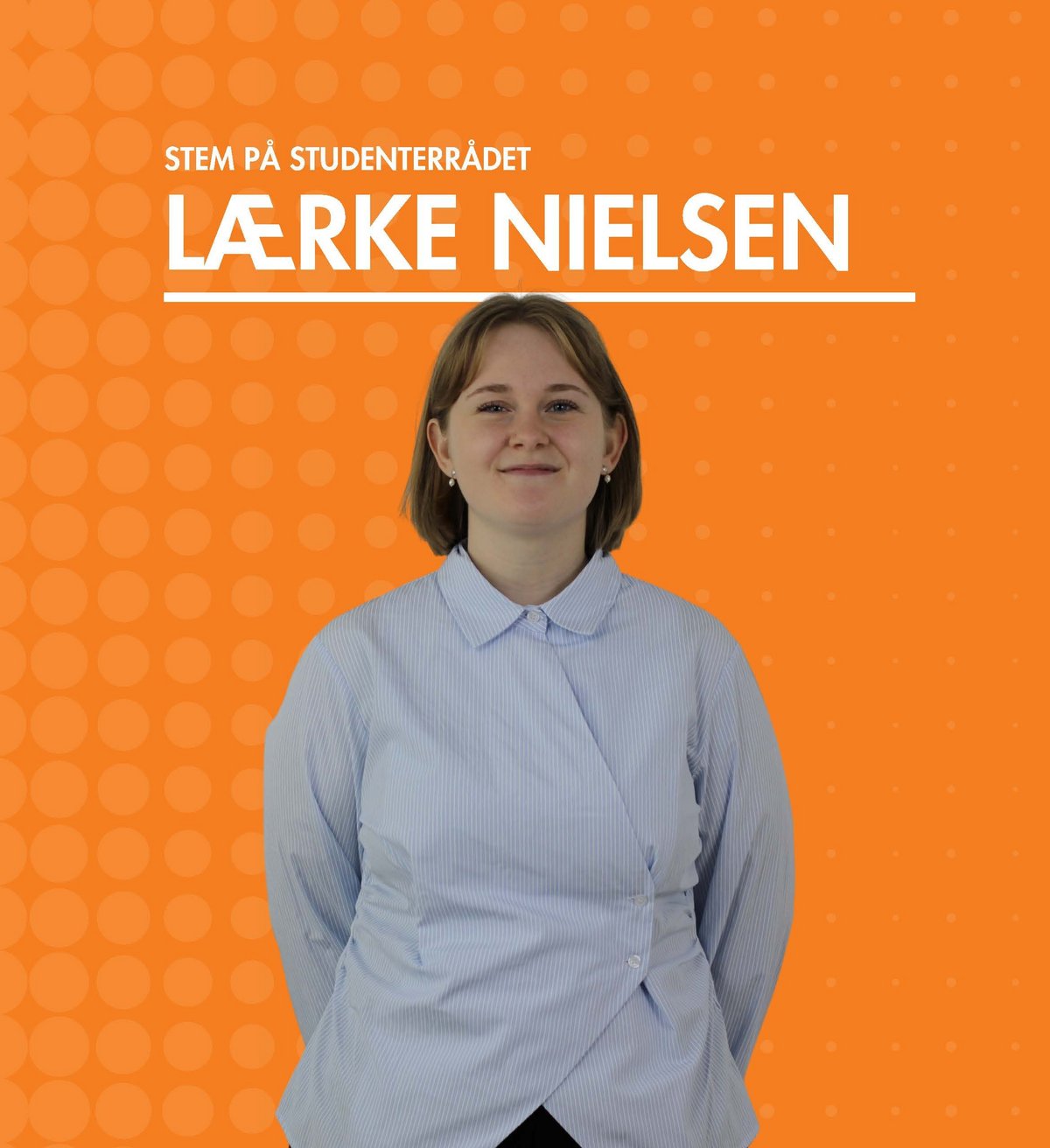
Lærke Engdal Nielsen
Political Science student
If you could only choose one thing to improve at Aarhus University, what would you prioritise?
“The way students are talked about. Especially in relation to artificial intelligence. The narrative that students always want to do as little as possible, or that we need to be monitored because otherwise we'd cheat. You have to assume that students are just as trustworthy as everyone else; trust goes both ways.”
What skills and experience qualify you to represent AU's students on the board?
“As the Student Council’s vice-chair, a tutor, and an active member of Faglig Dag and the degree programme council, I have seen many different sides of student association life. My experience and contribution to student democracy have given me a broad understanding of the political landscape at AU, and I am ready to represent students to the best of my ability, from the day-to-day groundwork to building strong personal relationships.”
How will you ensure that the interests of students are heard when the board makes decisions?
“I see all students as my support base and want to gather perspectives across the faculties through dialogue with students. To ensure that students' voices are heard, it’s important to show up well prepared, curious, and willing to collaborate. You have to present solutions, not just point out problems."
Campus development, good facilities for student life, high-quality degree programmes, and engaging learning environments that support students’ development are all part of AU’s strategy. What does that mean for you?
“For me, it’s about making sure that our physical environment and our degree programmes reflect how students actually live and learn. Campus is not just a collection of buildings, but a place where community and student associations can thrive. Quality means ensuring that education maintains the same high standard regardless of subject, and that learning environments are based on the belief that students want to learn.”

Thomas Tornhøj
History student with an elective in Social Sciences
If you could only choose one thing to improve at Aarhus University, what would you prioritise?
“Real student involvement from start to finish, both when decisions are made and when they are implemented in practice. “It is crucial that the university leadership listens to students in their local academic communities, because that is where the impact is felt, and the best solutions are found.”
What skills and experience qualify you to represent AU's students on the board?
“I bring experience from degree programme councils, the Board of Studies, the Academic Council, and from my time on the governing board of my upper-secondary school. I have also been deeply involved in the local study environment as a tutor, in the student social committee, and the Friday bar. With a background in both History, Social Sciences and Politics & Economics, I’m familiar with everyday life across the university's environments.”
How will you ensure that the interests of students are heard when the board makes decisions?
“I will do that through close, ongoing communication with my supporters in the degree programme councils and the student council, so that my mandate is always firmly anchored. In the boardroom, I always come well prepared and take a pragmatic, objective approach to the work, ensuring that students’ views are taken seriously and have a real impact on the decisions that are made.”
Campus development, good facilities for student life, high-quality degree programmes, and engaging learning environments that support students’ development are all part of AU’s strategy. What does that mean for you?
“For me, this means that a university is not just auditoriums and spreadsheets, but the framework for living communities. Campus development must never come at the expense of informal study spaces, student society facilities and Friday bars. At the same time, a learning environment that fosters personal and academic development requires us to prepare students for the future, for example through a forward-looking, education-oriented integration of AI rather than an approach rooted in mistrust.”
Conservative Students
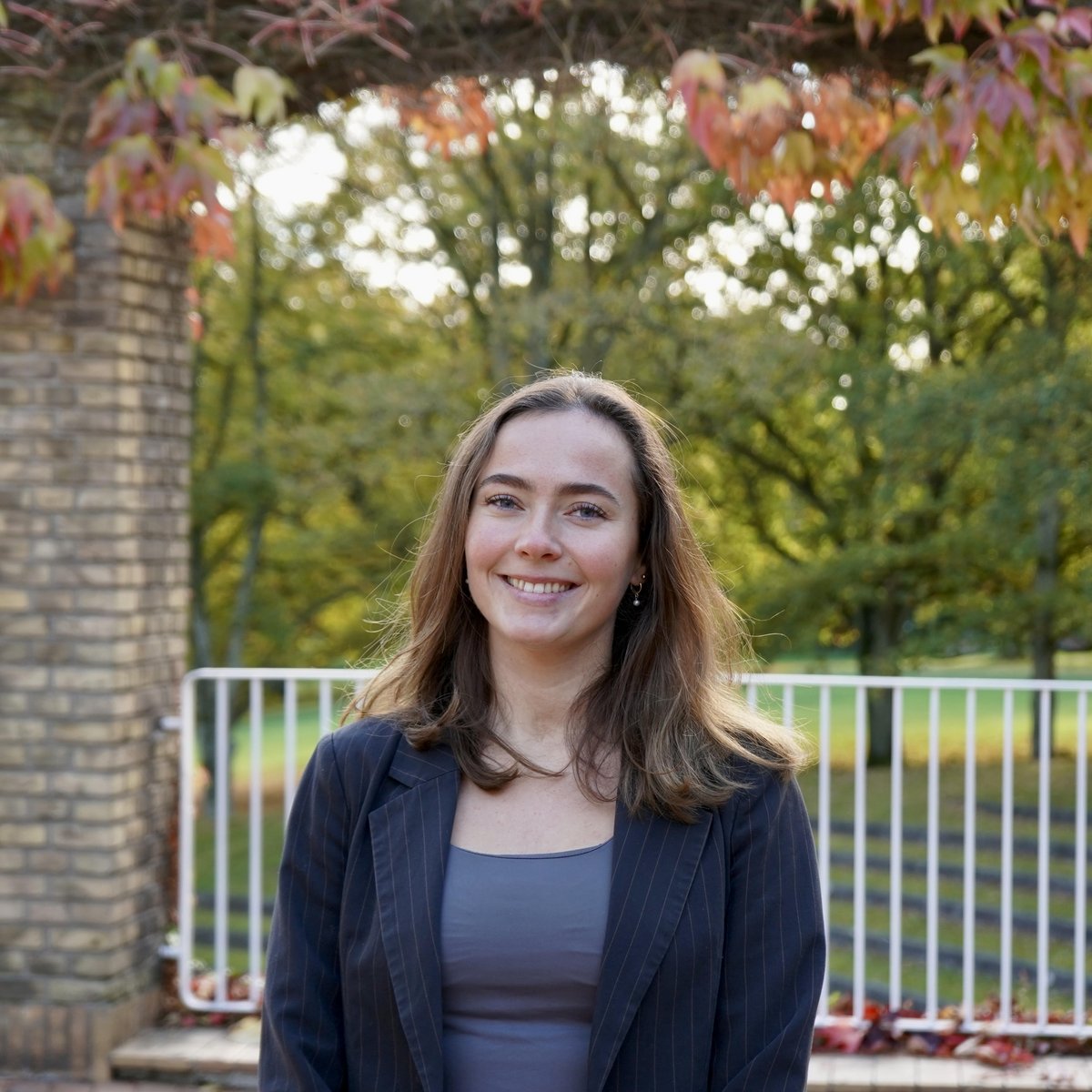
Rose Lindskov Marquass
Business Administration and Commercial Law student
If you could only choose one thing to improve at Aarhus University, what would you prioritise?
“I would prioritise improving opportunities for students to attend classes online. I became a mother during my studies, and that has made me even more aware that life doesn't always fit into a fixed schedule. Recorded or livestreamed lectures can make it easier for students to keep up with their studies during periods of illness, parental leave, or other times when they are unable to attend in person.”
What skills and experience qualify you to represent AU's students on the board?
“I have served on the Board of Studies for law since my first year at university, been its vice-chair, and have been elected to the Academic Council twice. This has given me experience of everything from exemption applications to the development of our degree programmes, as well as a strong understanding of how decisions are made at the university.”
How will you ensure that the interests of students are heard when the board makes decisions?
“I believe the best way to make an impact is to show up well prepared and take responsibility for finding solutions. As a student representative, I will ensure that the board also includes the students' perspective when making major decisions.”
Campus development, good facilities for student life, high-quality degree programmes, and engaging learning environments that support students’ development are all part of AU’s strategy. What does that mean for you?
“For me, it's about the university functioning in everyday life. Good facilities are not just about new buildings; they are also about ensuring that the decisions made by the university make sense for the people who actually use them. That's also why I got involved in the debate about the AU exam hall in Lisbjerg.”
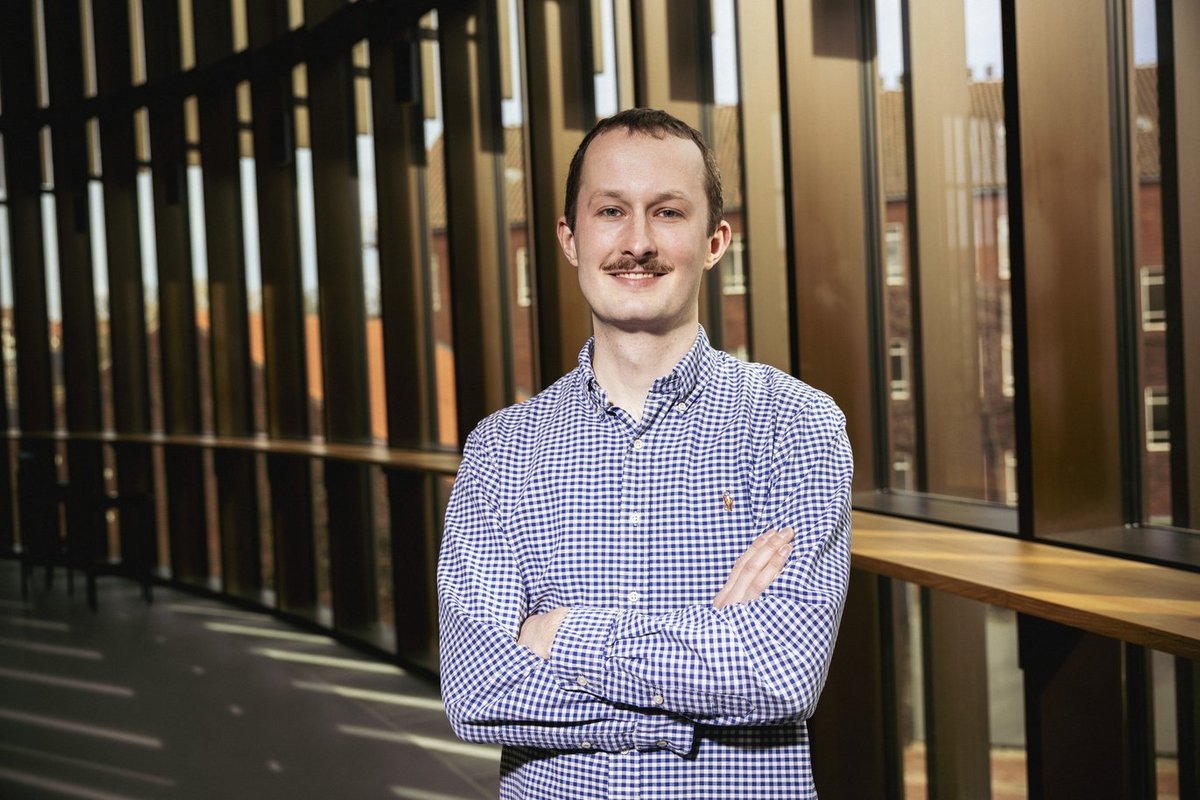
Christopher Hagen Pedersen
Business Administration student
If you could only choose one thing to improve at Aarhus University, what would you prioritise?
“That the issues raised by students are addressed and do not get lost in layers of bureaucracy. On the Board of Studies, I have seen how important it is for an issue to be heard and seen through to a resolution. This should be the norm across AU, not an exception that only some students are lucky enough to experience. This includes students’ calls for printed exam papers and the closure of the Board of Studies for theology.”
What skills and experience qualify you to represent AU's students on the board?
“I am vice-chair of the Board of Studies for business administration and a member of the Academic Council, both of which I do voluntarily alongside my studies. This has given me an insight into how decisions are made at AU, and where students’ concerns get lost along the way. I will bring that experience into the boardroom.”
How will you ensure that the interests of students are heard when the board makes decisions?
“I see students, teaching staff, and management as partners in the same project: A university with a strong academic and social environment. My role is to make sure students’ perspectives are included in the decision-making process, not simply considered after the fact. The student association life at AU is very special and must be protected. I will work to do that.”
Campus development, good facilities for student life, high-quality degree programmes, and engaging learning environments that support students’ development are all part of AU’s strategy. What does that mean for you?
“Good facilities are those that allow both academic and social life to thrive. To me, campus development is about providing facilities and shared spaces that make room for student initiatives, while ensuring a high academic standard across individual degree programmes. The aim is for graduates to be able to say they had both an excellent education and a great student experience.”
Free Forum Aarhus

Klara Wenzell Rasmussen
Political Science student
If you could only choose one thing to improve at Aarhus University, what would you prioritise?
“Then I want to improve the community. A university is more than lectures and exams; it is a place where you should want to be. This applies to both the associations, the Friday bar, and the study group. But too many students go home after classes end without feeling like they belong. That is why I will work to ensure that AU prioritises the study environment and communities when strategising and planning a new campus, so that everyone can find their place."
What skills and experience qualify you to represent AU's students on the board?
“I have always been someone who gets involved in the community and have held leadership roles in several organisations, both political and non-political. Here, I have learned to take the lead, listen to different opinions, and bring people together to make things happen. I will use that experience to give the students a strong voice on the board.”
How will you ensure that the interests of students are heard when the board makes decisions?
“By being visible and accessible to all students, not just those who are already engaged in student politics. I will be present on campus and on social media, so it is easy to get in touch with me. And I want to make it easy to follow what the board has to decide on, so that students can provide their input before decisions are made.”
Campus development, good facilities for student life, high-quality degree programmes, and engaging learning environments that support students’ development are all part of AU’s strategy. What does that mean for you?
“For me, it means a university where you can both learn and thrive. Good facilities are not just beautiful buildings, but a vibrant campus with a rich student association life, where there is room for communities that make students feel at home. A good learning environment also requires clear guidelines for AI, and a student life where help is available if life gets difficult. And when AU builds new buildings or renovates, the climate must be taken into account from the start.”
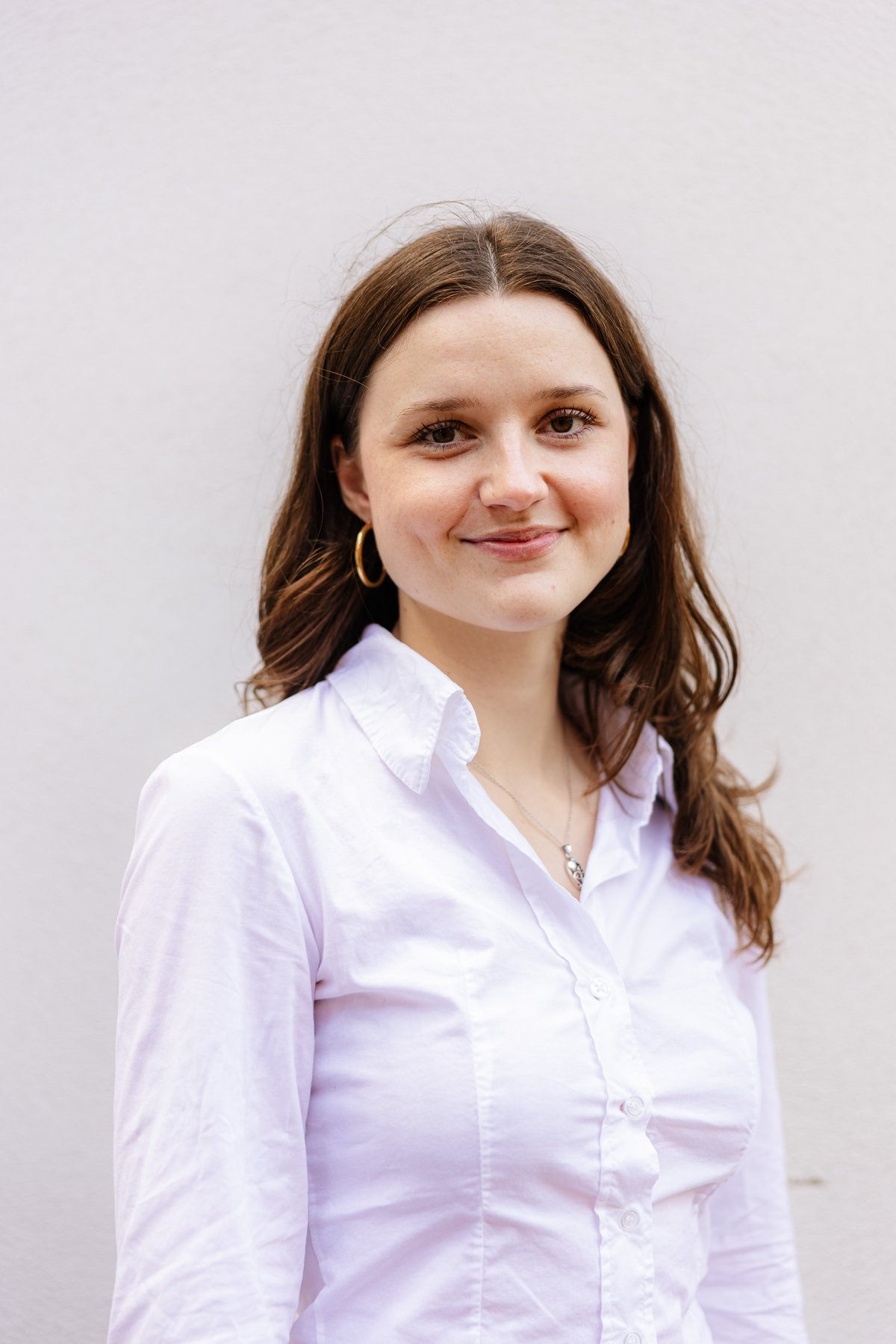
Ellen Hækkerup
Psychology student
If you could only choose one thing to improve at Aarhus University, what would you prioritise?
“I would prioritise hiring faculty psychologists. In a society where we continue to politically increase pressure on students and worsen student conditions, I think it is extremely important that universities focus on students' mental health and well-being. One way to do this is by hiring psychologists at the faculties. Support would be brought closer to students and their everyday lives, and I believe that is a change students would genuinely feel in their daily lives.”
What skills and experience qualify you to represent AU's students on the board?
“I have been elected national vice-chair of Free Forum, which is a national student political organisation. My experience comes from association life, which I have been actively involved in for the past ten years. Here, I have held various positions of trust, and I currently also serve on the local board of Free Forum Aarhus.”
How will you ensure that the interests of students are heard when the board makes decisions?
“I will work to ensure greater student involvement in decision-making. We need to ensure that our wishes and needs are prioritised in the decisions made by the board. I will do this by working to ensure that the board’s work reaches students to a much greater extent, enabling me to genuinely act as their voice when communicating students’ views and concerns to the board.”
Campus development, good facilities for student life, high-quality degree programmes, and engaging learning environments that support students’ development are all part of AU’s strategy. What does that mean for you?
“For me, that means a university for the students. Designed and organised in ways that create the best physical and psychosocial frameworks. In practical terms, this would mean more study spaces on campus, clearer guidelines on the use of AI, a wider range of exam formats across degree programmes, and better support for students’ mental health and wellbeing.”
This article is machine translated and post-edited by Mie Skov Jeppesen.