
Students in Viborg are creating traditions from scratch
There are no old student association names or annual celebrations here. At AU Viborg, everything is starting from scratch, and traditions are created by those who dare to start.

A false udder sways from side to side each time someone grabs it. Gathered around the plastic-grey cow, a group of students cheer as two of their classmates battle to squeeze the last few drops into the measuring cup. There is a smell of gravel, late summer, and cold beer from the taps inside the bar. A relay race is under way, and no one is quite sure how it came to be like this, but everyone plays along.
That is how Frederik Berg Gurskov Olsson describes the beginnings of what could become a future campus tradition in Viborg. He is the treasurer of Gyldne Haner, the student bar at AU Viborg, and describes the students’ relationship with traditions as follows: "We just do things, and then we see what becomes traditions."
At AU Viborg, a tradition does not begin as an age-old ritual. It begins with a fake udder and a group of students deciding to make it happen.
AU Viborg is a new campus that welcomed its first cohort of 60 students in 2024 across three degree programmes: Veterinary Medicine, Animal Science, and Plant and Food Science. Here, there were no associations, no annual celebrations, and no culture to lean on. Since then, several associations and initiatives have sprung up; Vivarium, the garden association, and Gyldne Haner are just some of them. They have each taken on the same challenge: How do you create traditions when there are no existing ones to build on?
A henhouse, fake udders and beer on tap
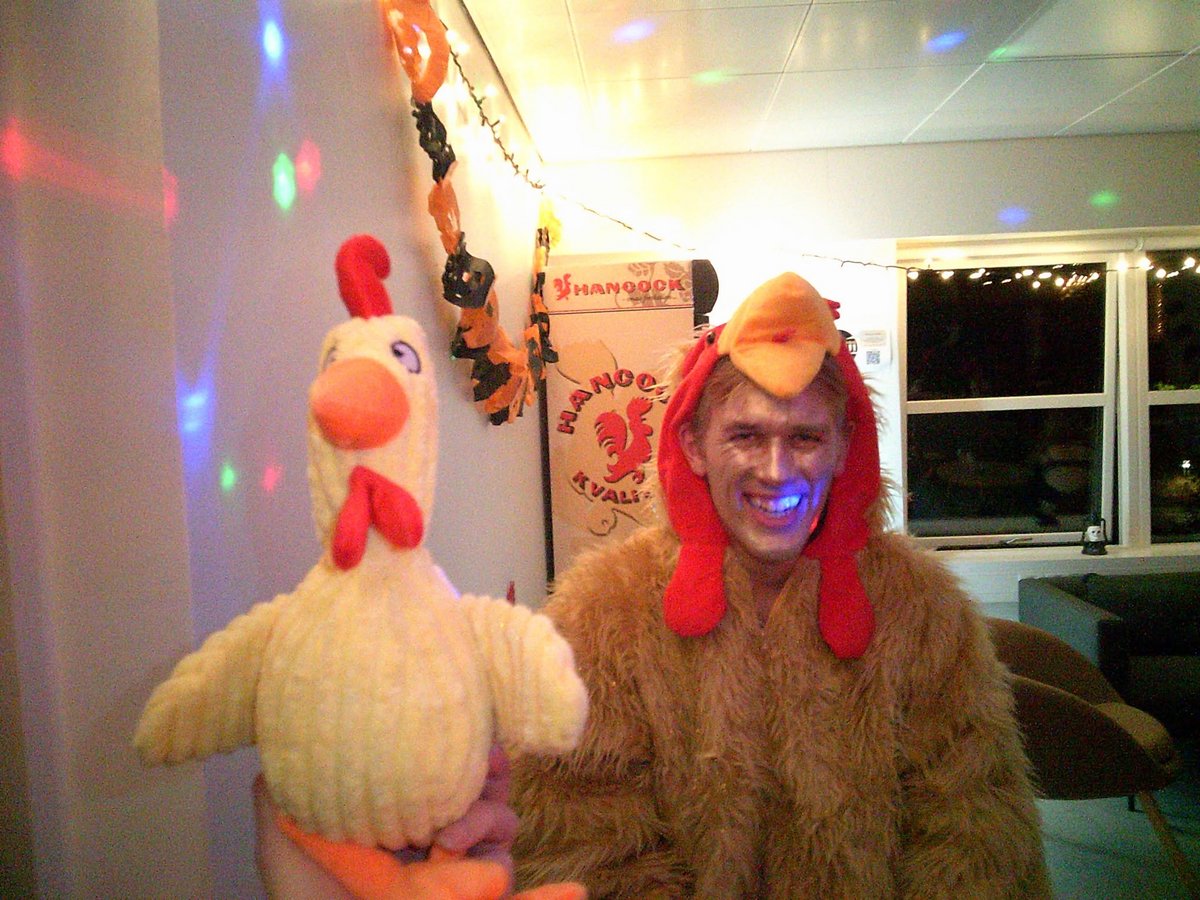
Gyldne Haner has unintentionally become an engine of campus traditions. The name derives both from the old henhouse that was offered to them as a venue for the Friday bar and from the golden beer taps, as the Danish word hane means both rooster and tap. In addition to pouring pints at the Friday bars, they organise a variety of events, including a summer relay competition in which each class competes for a travelling trophy in challenges such as wheelbarrow racing, milking a fake udder and horseshoe throwing. These traditions are not inherited from previous classes. They are activities that turn into traditions because someone has an idea, and others join in. But beneath all the spontaneity lies a clear understanding of why traditions matter.
"It's important to have something that brings people together; otherwise, campus will just be a place you walk through," says Frederik Berg Gurskov Olsson, the treasurer of Gyldne Haner.
At a campus where the first students only arrived in 2024, traditions are more than just a bit of fun. They are what makes AU Viborg a place where students feel they belong.
No business as usual
While Gyldne Haner keeps the beer flowing, another of AU Viborg’s new student associations is taking a different approach.
“We have written into our by-laws that this is an alcohol-free association because we want to create a community that places a strong emphasis on not being centred around alcohol. It’s about games and social activities that are not centred around alcohol,” explains Amalie Toft Højlund.
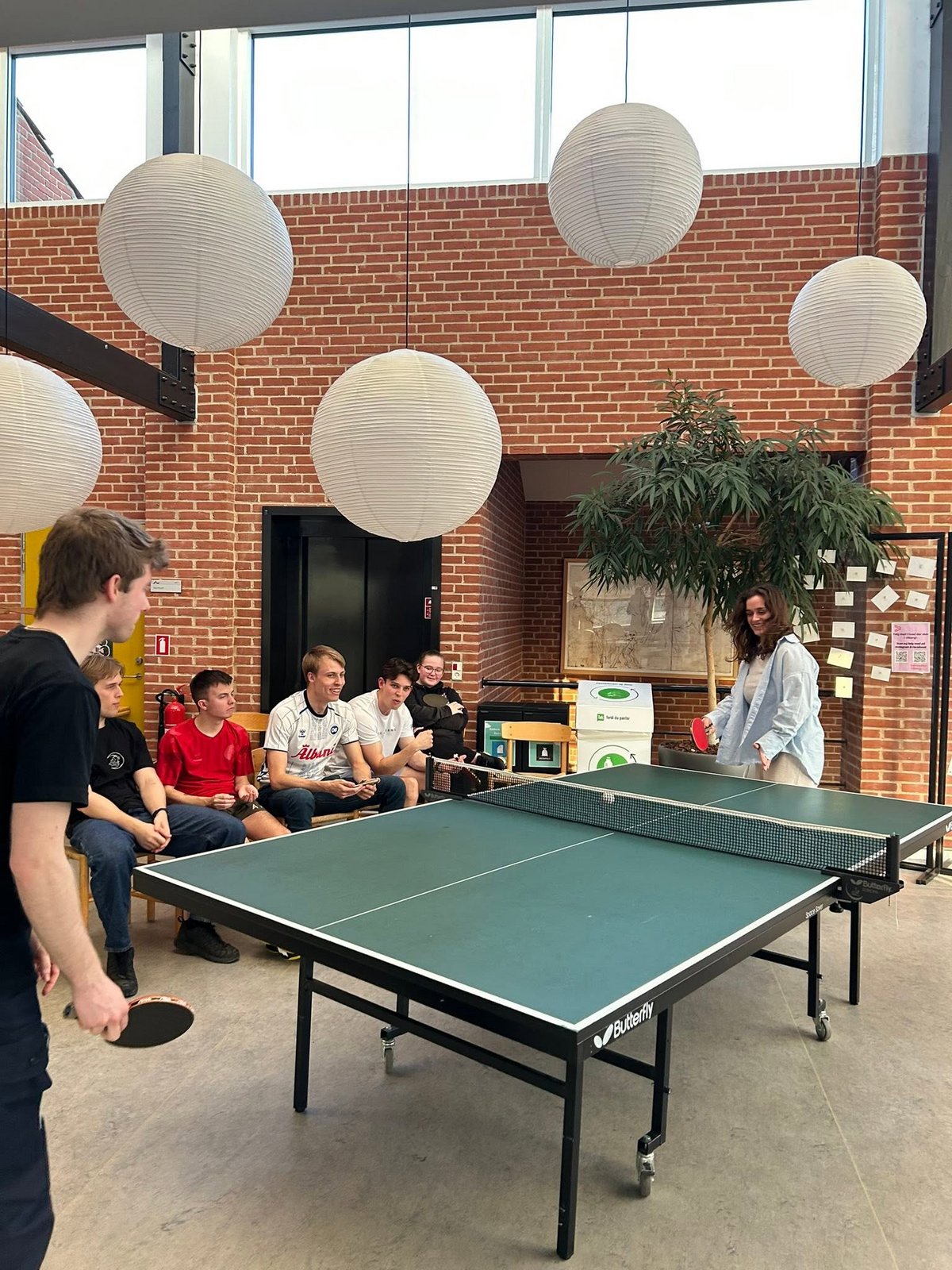
“She is the chair of Vivarium, an alcohol-free student association that is working to create a student life where no traditions are predetermined. Here, the activities range from movie nights to table tennis tournaments to reptile courses in Randers Rainforest.
"You have free rein. You are entirely free to decide what the association you create should be about and how it should be shaped,” explains Amalie Toft Højlund.
But freedom doesn’t come without challenges, she explains.
"It's complex to create something new, and we talk a lot about traditions when we plan activities," she says.
There are no established traditions to lean on, no "business as usual" and no previous classes who know what to do.
At the same time, AU Viborg is far from the city, and many students commute. If nothing happens after class, people go home, says Amalie Toft Højlund. That is why Vivarium seeks to organise activities that encourage students to stay on campus and get to know one another across degree programmes. For Vivarium, community is not merely the goal; it is the very means by which traditions are created.
"It's super important to facilitate events where people can meet each other," says Amalie Toft Højlund.
On a campus where Veterinary Medicine is the dominant programme and Plant and Food Science has only a small number of students, building a community across degree programmes becomes a way of ensuring that no one is left on their own.
“I think it’s a real shame if you spend your entire time at university only talking to people on your own degree programme,” she says.
Communities in the ground
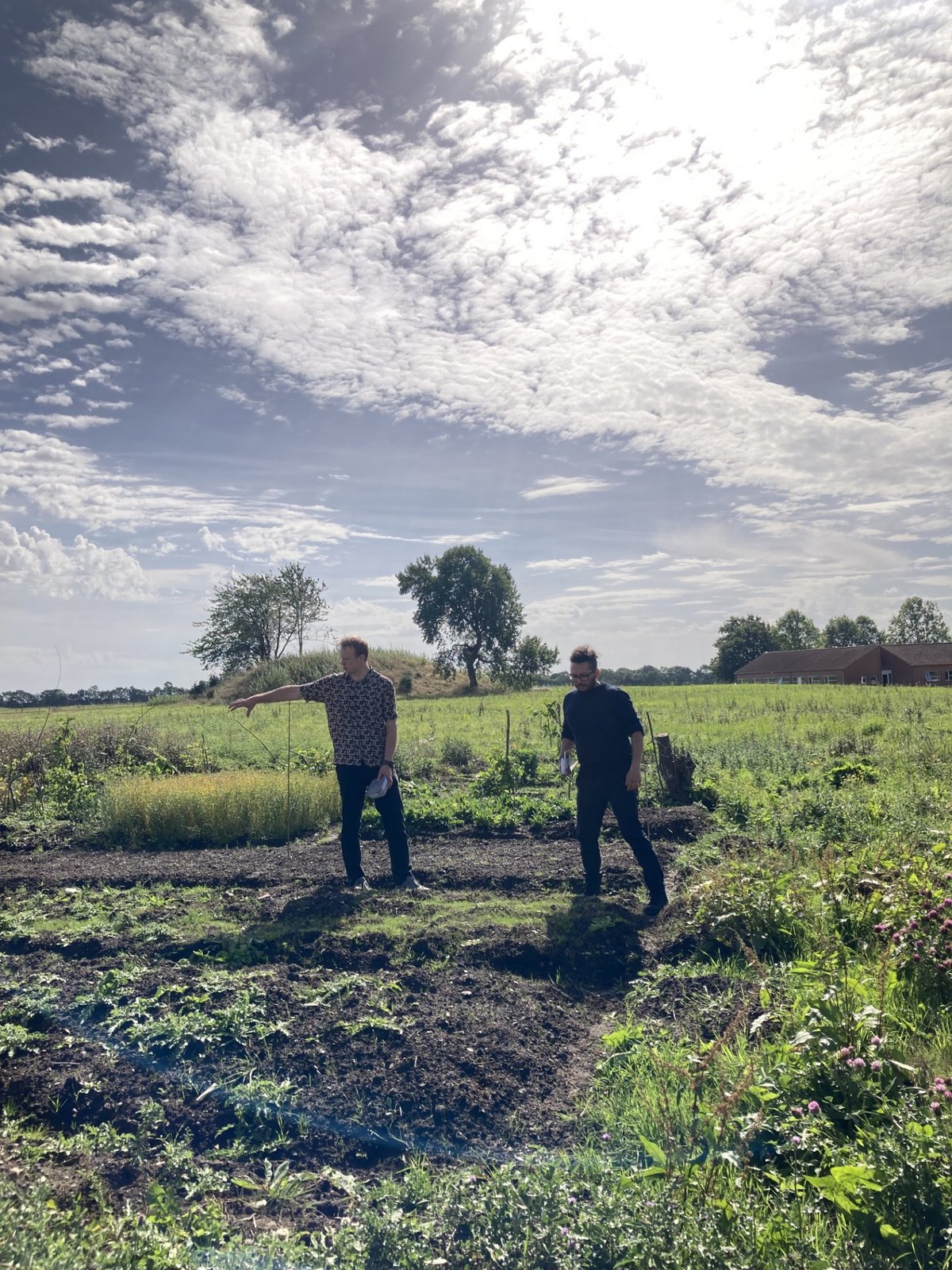
But the community goes beyond the established associations. On a patch of grass between the buildings, in yet another corner of the campus, a community garden is beginning to take root. No board. No by-laws. No formal roles
"We would have liked it to be a little more open," says Emilie Rechnagel, the PhD student behind the initiative.
The garden is a common garden for students, PhD students, postdocs and staff. Here they can grow vegetables, harvest them and be part of the community.
"It belongs to all of us," explains Emilie Rechnagel.
It all started spontaneously:
“All of a sudden, someone had ploughed up part of the ground, and at that point we more or less had no choice but to get started,” she says.
Since then, beans, potatoes and indigo plants have appeared. Seeds have been exchanged at a ‘seed swap day’, and there are plans for workshops, common dinners, and perhaps even hops for brewing beer.
In the garden association, traditions are not quite as loud. There are no parties, competitions, or huge events. But it is a place where you can cultivate the land and meet new people.
"I had just moved to Viborg, and I didn't really know anyone. But I do now," says Emilie Rose Rechnagel about her own experience of moving to a new place.
This text is machine translated and post-edited by Mie Skov Jeppesen.