
AFTER TWO YEARS OF VOLUNTARY WORK, STUDENTS' AID TO HOSPITALS IN TANZANIA HAS ARRIVED
Two years of work collecting and repairing used hospital equipment for hospitals in Tanzania nearly ended with a container being held back in the port of the capital, Dar es Salaam. However, the students behind the project managed to get the container released, so the equipment can now be put to use.

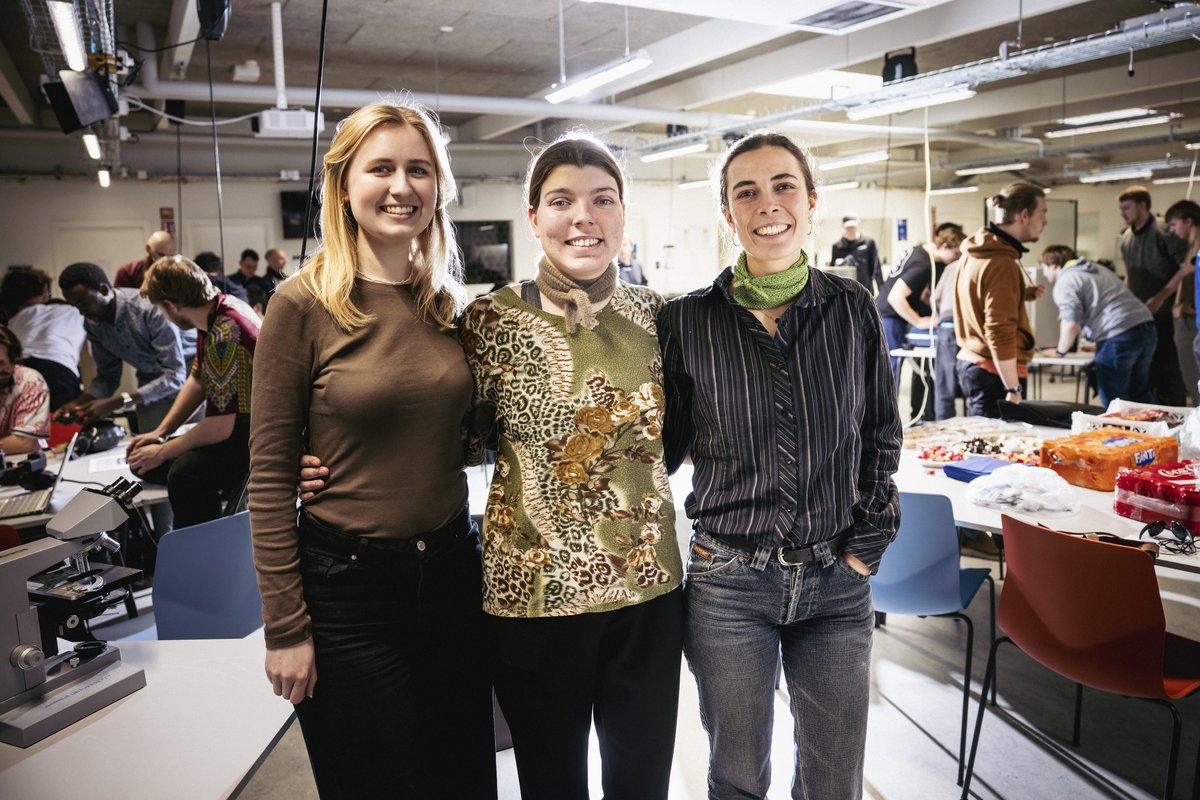
At the beginning of April this year, the two medical students, Amalie Møller Fiirgaard and Freja Leonore Uhd Weldingh, closed up a container filled with used hospital equipment. Together with medical and engineering students from Aarhus University, University of Copenhagen and Technical University of Denmark, they had collected and repaired equipment over a period of eighteen months under the auspices of the student association SMIT (Student Medical Association for Infectious and Tropical Medicine, ed.).
Students collect and repair used hospital equipment and send it to Tanzania
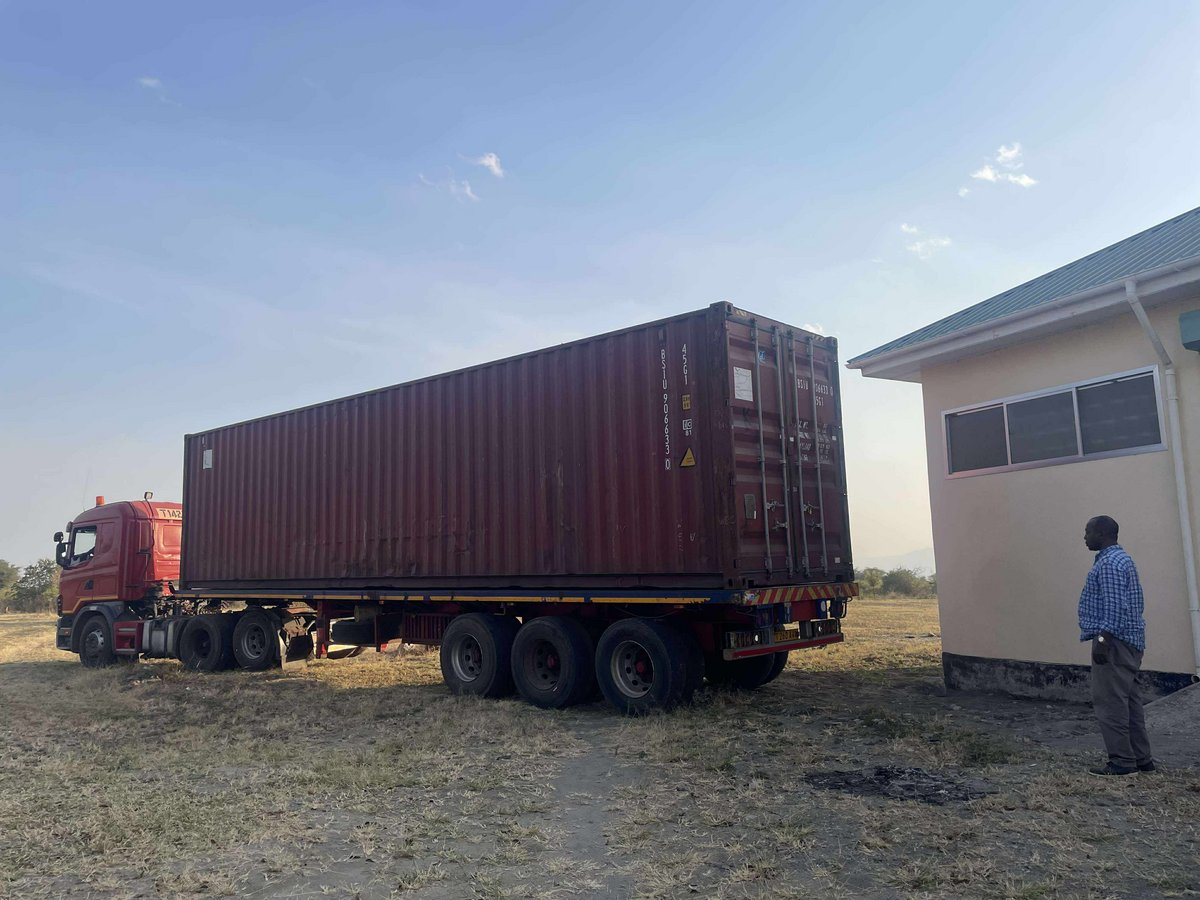
The container was then shipped from Aalborg to Tanzania's capital, Dar es Salaam, where it arrived two months later at the end of June, right on schedule. From here, after being checked by the local authorities, it was to be transported to one of the hospitals set to receive the equipment. But having a plan is one thing, reality is another, as the students discovered. The container was held at the port for four weeks, and while the students in Denmark frantically tried to get it released, the daily fines kept piling up.
"In total, the daily fines came to DKK 25,000, which we had luckily budgeted for, and we got help from a representative of the local NGO Habari Tanzania to have the container released," say Amalie Møller Fiirgaard and Freja Leonore Uhd Weldingh.
Meanwhile, Oliver Jean Nielsen, Sarah Gharabaghi Stückler and Nicole Mistarz had travelled to Tanzania to receive the equipment. Sarah Gharabaghi Stückler and Nicole Mistarz are both medical students at the University of Copenhagen, while Oliver Jean Nielsen is an electrician studying Electrical Energy Technology at Aarhus University.
"There wasn't much we could do while we waited for the container to be released, but we visited the hospitals that were to receive the equipment – and then we took a bit of a holiday," says Oliver Jean Nielsen.
Tear ducts at work
But finally, at the end of July, Sarah Gharabaghi Stückler was able to send a video home to Denmark from the handover of the equipment to the four district hospitals.
“They were delighted with the equipment and had high hopes for its use. It is seen as a huge help and gift, because it is difficult to obtain resources for hospitals, and even beds are expensive for them to purchase. So with this equipment, they are one step closer to achieving their goal of providing better assistance to the rural population," says Sarah Gharabaghi Stückler.
It is a great relief that the equipment actually arrived. We have always believed in the project, but there were many things we knew nothing about beforehand - such as customs and logistics - that we had to learn alongside our studies," says Freja Leonore Uhd Weldingh.
"When we got the video from Sarah, it really put our tear ducts at work," she smiles.
Amalie Møller Fiirgaard nods:
"Yes, it was an almost utopian project. But we have met many incredibly helpful people – and it has been great to encounter all the goodwill surrounding the project. But we are also tired.”
CHAOTIC CONTAINER
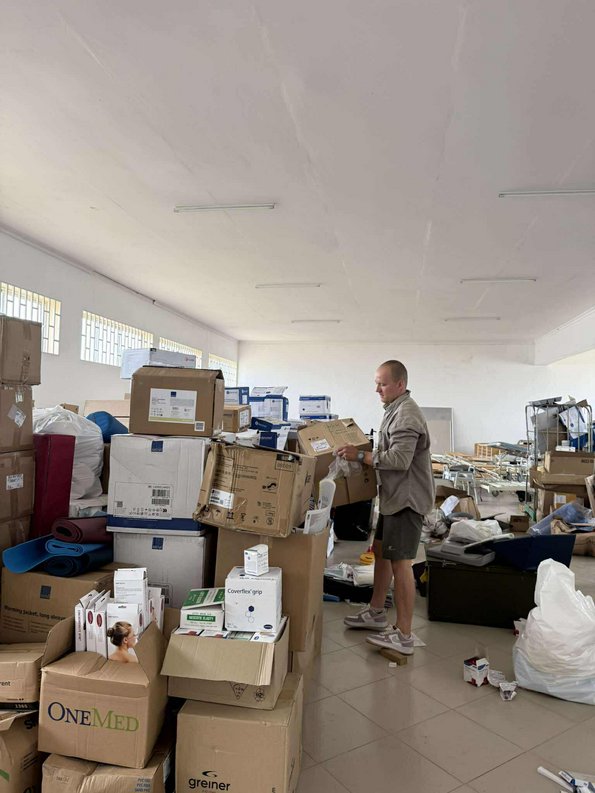
But the problems didn’t stop there. When the container was finally released and delivered to one of the hospitals, Oliver Jean Nielsen realised that either there had been rough seas during the voyage, or the container had been turned upside down in the port.
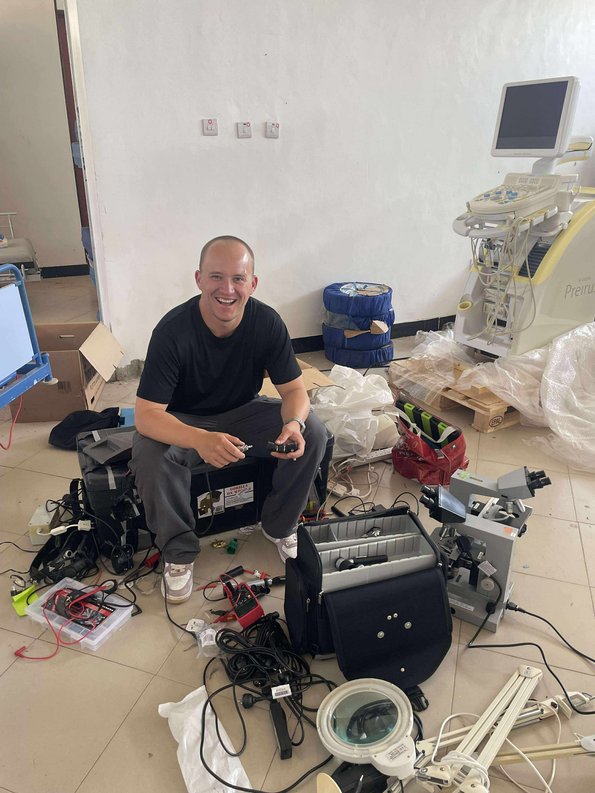
“It looked like the equipment had just been thrown into the container, so the first few days were spent sorting it out to ensure it went to the right hospitals," says Oliver Jean Nielsen, who then set about changing the plugs on the electrical equipment to fit Tanzanian sockets.
And then there was the encounter with African time:
"We’ve experienced this first-hand – when we had an appointment at 9, it would sometimes be 11, and other times the appointment was completely forgotten," says Oliver Jean Nielsen.
LEARNING FROM THE TANZANIANS’ CLINICAL EYE
In Tanzania, Sarah Gharabaghi Stückler and Nicole Mistarz have taught staff how to use equipment such as stethoscopes, specialised catheters, inhalation trainers for patients with impaired lung function and ultrasound machines.
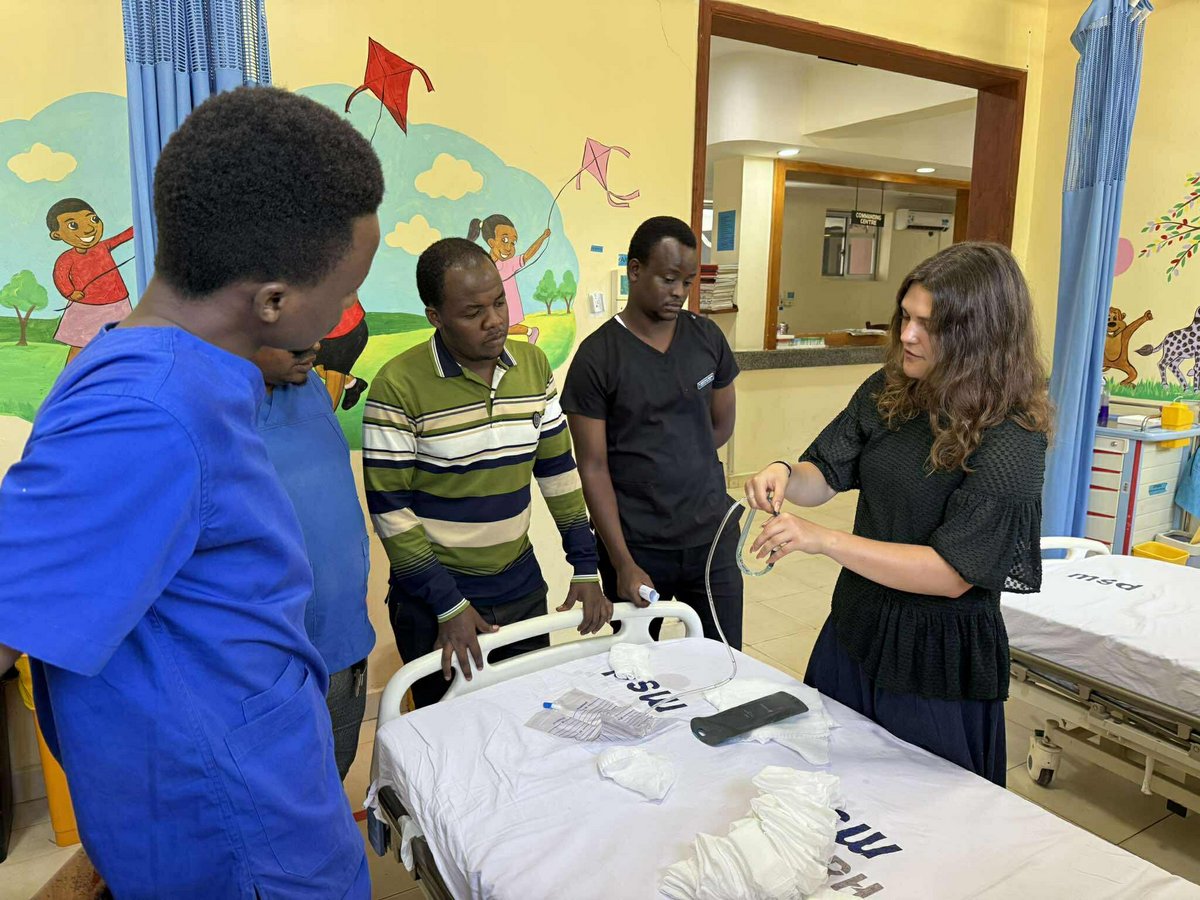
They also bring back valuable lessons, even though healthcare staff at Tanzania’s district hospitals work without the basic testing and screening tools that are standard in Denmark.
"I have learned a lot from the way they do things and their clinical eye. They have a completely different approach to diagnosis and treatment, where they must base their decisions on the symptoms they see. Because they don't have the equipment that we in Denmark rely heavily on for our diagnostics," says Sarah Gharabaghi Stückler.
SMIT regularly sends Danish medical students on clinical training in East Africa, including Tanzania, and can therefore also assist in bringing spare parts to the hospitals as needed to ensure the equipment remains fully functional.
The students agree that the project has been far more demanding than they had imagined when they started almost two years ago. But it has also been meaningful and rewarding to be a part of.
On Monday, 6 October, the student association SMIT will hold a lecture where several students will share their experiences of turning ideas into action in the implementation of global development projects.